
Quando si sceglie una pressa piegatrice per la lavorazione della lamiera, molti produttori si pongono la stessa domanda: Dovrei scegliere una pressa piegatrice NC o una pressa piegatrice CNC?
Sebbene entrambe le macchine svolgano la stessa funzione di base, ovvero la piegatura della lamiera, i loro sistemi di controllo, i metodi operativi e le capacità produttive sono piuttosto diversi. Comprendere queste differenze aiuta le fabbriche a prendere decisioni di investimento più oculate.
In questo articolo vengono spiegate le principali differenze tra presse piegatrici NC e CNC, affrontando anche concetti correlati quali il controllo DNC e i tipi più comuni di presse piegatrici.
UN Pressa piegatrice NC (controllo numerico)utilizza un controller di base per gestire movimenti limitati della macchina, solitamente concentrandosi su:
· Il registro posteriore si muove avanti e indietro
· Corsa del cursore su e giù
La maggior parte delle presse piegatrici NC si basa in larga misura sulla regolazione manuale per:
· Regolazione fine dell'angolo di piegatura
· Impostazione dello stampo
· Commutazione di processo
Caratteristiche principali delle presse piegatrici NC:
· Interfaccia di controllo semplice
· Costo iniziale inferiore
· Adatto per lavori di piegatura di base
· Richiede operatori esperti
· Programmabilità limitata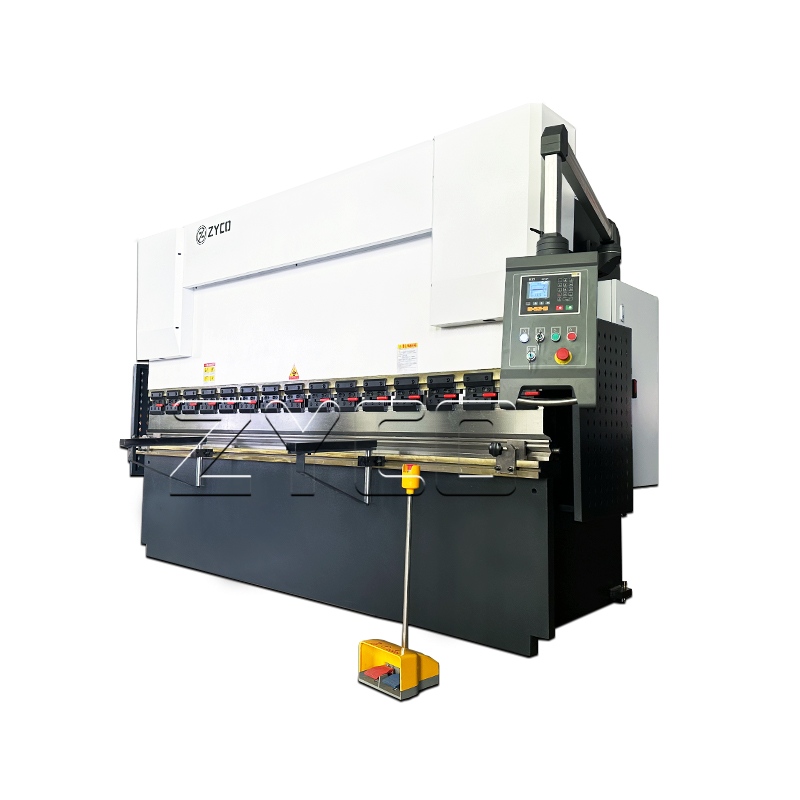
Le macchine a controllo numerico sono comunemente utilizzate in piccole officine o fabbriche che producono parti semplici con basse variazioni.
A Pressa piegatrice CNC (controllo numerico computerizzato)offre il controllo completo degli assi tramite un controller avanzato.
Può gestire automaticamente:
· Controllo della profondità del cursore
· Posizionamento del registro posteriore multiasse
· Incoronazione automatica
· Pianificazione della sequenza di piegatura
Le moderne presse piegatrici CNC supportano anche:
· Programmazione grafica
· Programmazione offline
· Correzione automatica dell'angolo
· Gestione del database degli stampi
Principali vantaggi delle presse piegatrici CNC:
· Maggiore precisione
· Buona consistenza del lotto
· Configurazione più rapida
· In grado di gestire parti complesse
· Ideale per produzioni in lotti e miste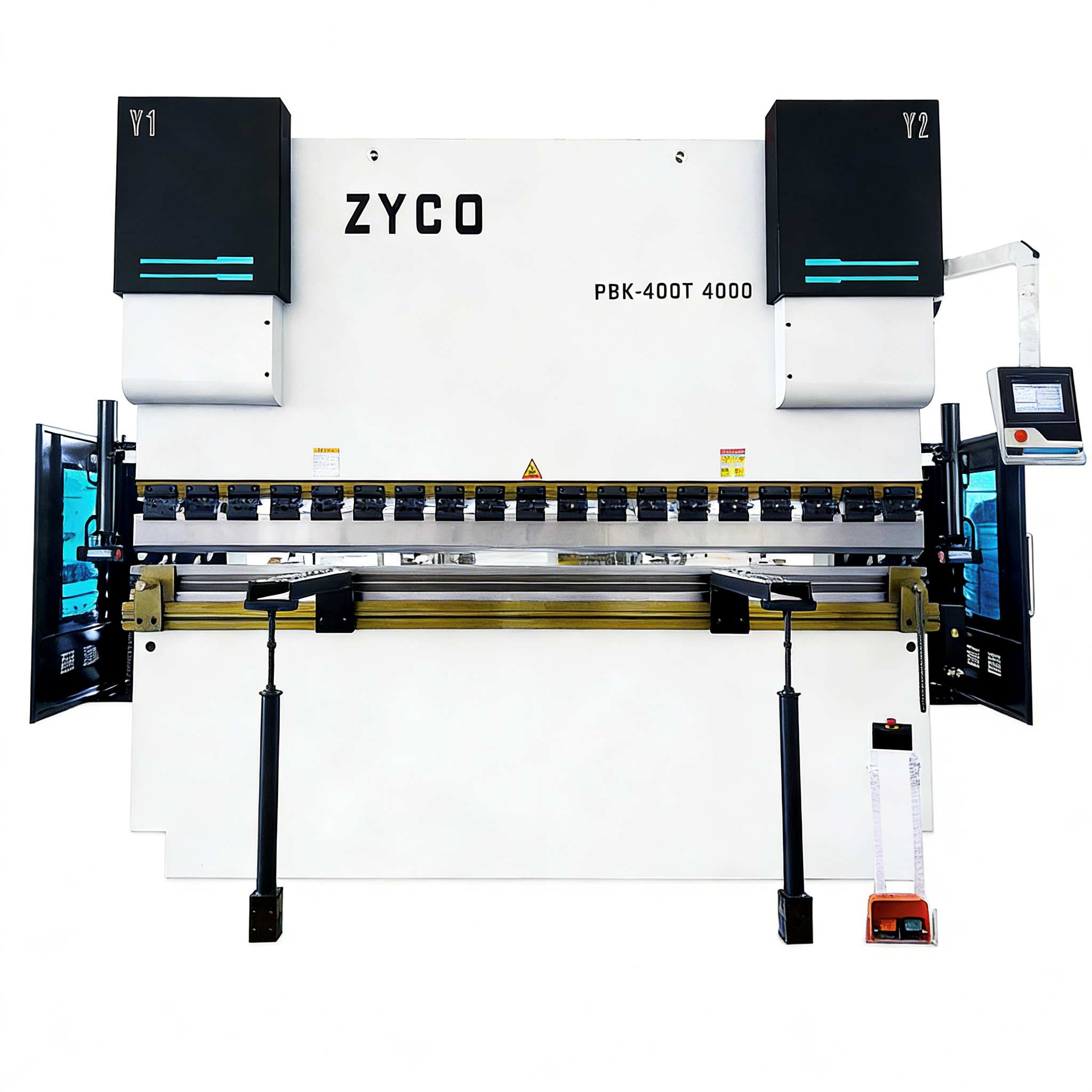
Le presse piegatrici CNC sono ampiamente utilizzate nelle fabbriche professionali di lamiera, dove precisione, efficienza e flessibilità sono fondamentali.
Dal punto di vista del sistema di azionamento, le presse piegatrici si dividono principalmente in:
· Elevata capacità di tonnellaggio
· Prestazioni stabili
· Adatto per piastre spesse
· Ampiamente utilizzato in applicazioni pesanti
· Efficienza energetica
· Risposta più rapida
· Funzionamento più pulito
· Eccellente precisione per lamiere sottili e medie
Sia le presse piegatrici idrauliche che quelle elettriche sono disponibili nelle configurazioni NC e CNC.
Potresti anche incontrare il termineDNC (Controllo Numerico Distribuito).
Ecco un semplice confronto:
·NC: Controllo numerico di base, automazione limitata
·CNC: Controllo computerizzato completo con capacità multiasse e programmazione avanzata
·DNC: Un sistema in rete che collega più macchine CNC a un computer centrale per la gestione del programma
Nelle fabbriche moderne, le presse piegatrici CNC abbinate ai sistemi DNC consentono un controllo centralizzato della produzione e livelli di automazione più elevati.
La scelta tra presse piegatrici NC e CNC dipende dalle vostre esigenze di produzione:
Scegli una pressa piegatrice NC se:
· Le parti sono semplici
· Il volume di produzione è basso
· Il budget è limitato
· Sono disponibili operatori qualificati
Scegli una pressa piegatrice CNC se:
· I prodotti sono complessi
· Gli ordini variano frequentemente
· La precisione è fondamentale
· Miri a ridurre la dipendenza dal lavoro
· La coerenza dei lotti è importante
Per la lavorazione architettonica dei metalli, le decorazioni in acciaio inossidabile, i telai delle porte, gli armadi e i pannelli degli ascensori, le presse piegatrici CNC sono in genere la soluzione preferita.
Riepilogo
Sebbene sia le presse piegatrici a controllo numerico che quelle a controllo numerico CNC possano eseguire operazioni di piegatura, le loro capacità differiscono notevolmente. Le macchine a controllo numerico si adattano alle attività di base, mentre le presse piegatrici a controllo numerico CNC offrono la precisione, la flessibilità e l'efficienza richieste nella moderna produzione di lamiera.
Comprendere queste differenze consente ai produttori di scegliere le attrezzature più adatte alla complessità del prodotto, al volume di produzione e alle aspettative di qualità, garantendo così una competitività a lungo termine nell'esigente mercato odierno.

Lascia il tuo indirizzo e -mail e i requisiti, il nostro team di vendita professionale svilupperà la soluzione più adatta per te.


Copyright
© 2026 Nanjing Zyco CNC Machinery Co., Ltd. Tutti i diritti riservati
.
 RETE SUPPORTATA
 italiano
 English
 français
 Deutsch
 русский
 português
 español
 한국의
한국의 Türkçe
 العربية