
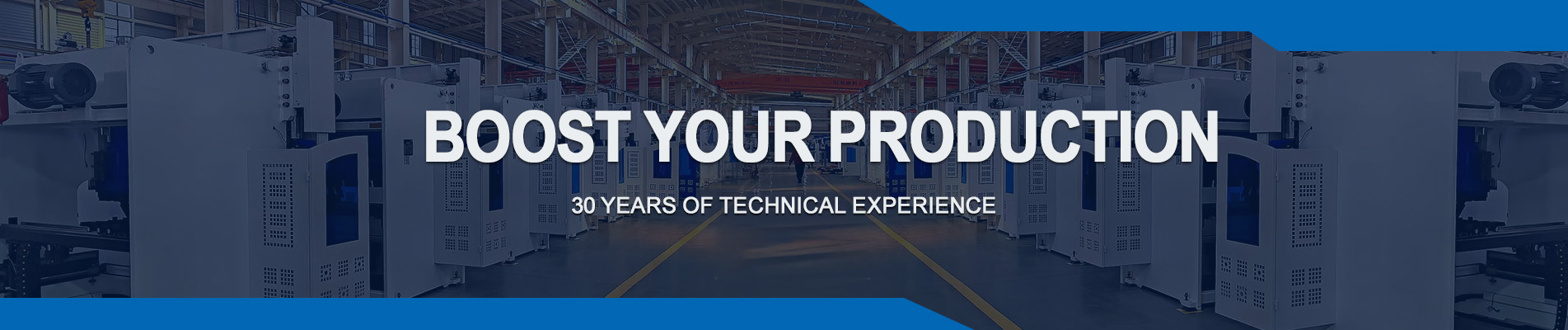
Le presse piegatrici sono macchine essenziali nella lavorazione della lamiera, ma presentano anche rischi significativi per la sicurezza se non adeguatamente protette e utilizzate. Per ridurre gli infortuni sul lavoro, l'OSHA (Occupational Safety and Health Administration) ha stabilito chiari standard di sicurezza applicabili alle operazioni di piegatura.
La comprensione di questi requisiti OSHA è fondamentale per i produttori, i proprietari di officine e gli operatori di presse piegatrici.
L'OSHA non emana una singola norma intitolata esclusivamente "norma sulle presse piegatrici". La sicurezza delle presse piegatrici è invece regolamentata da diverse norme più ampie sulla sicurezza delle macchine e sulle presse meccaniche, che si concentrano principalmente su:
· Protezione della macchina
· Protezione del punto di operazione
· Sicurezza e formazione degli operatori
· Riduzione del rischio durante l'installazione e il funzionamento
Questi standard sono concepiti per prevenire infortuni comuni, come dita schiacciate, amputazioni di mani e incidenti con punti di schiacciamento.
Norma OSHA 1910.335indirizzi misure di sicurezza per i dipendenti che lavorano in prossimità di pericoli elettrici e meccaniciNegli ambienti delle presse piegatrici, ciò include:
· Uso corretto dei dispositivi di protezione individuale (DPI)
· Utensili isolati quando applicabile
· Protezione da componenti elettrici esposti
Sebbene non sia specifica per le presse piegatrici, questa norma rafforza la sicurezza generale dell'officina durante il funzionamento e la manutenzione delle presse piegatrici.
Uno degli standard più importanti per le presse piegatrici è OSHA 1910.212, che copre protezione generale delle macchine.
Richiede che:
· Il punto di operazione deve essere sorvegliato
· Gli operatori devono essere protetti dalle parti rotanti, alternative o in movimento
· Le protezioni o i dispositivi di sicurezza non devono creare nuovi pericoli
Per le presse piegatrici, ciò comporta in genere barriere fotoelettriche, sistemi di sicurezza laser, comandi a due mani o soluzioni di protezione fisica.
Per rispettare gli standard OSHA e ridurre i rischi, gli utilizzatori di presse piegatrici devono seguire queste importanti pratiche di sicurezza:
· Installare dispositivi di sicurezza certificati (barriere fotoelettriche o protezioni laser)
· Assicurarsi che gli operatori siano adeguatamente formati e autorizzati
· Non bypassare o disattivare mai i sistemi di sicurezza
· Mantenere libere le zone di sicurezza attorno all'area di piegatura
· Eseguire ispezioni e manutenzioni di routine
L'OSHA pone grande enfasi su prevenzione, non solo risposta agli incidenti.
Le violazioni della protezione delle macchine sono costantemente classificate come una delle violazioni OSHA più frequentemente citatein tutti i settori manifatturieri.
Le presse piegatrici sono spesso coinvolte perché:
· I dispositivi di sicurezza vengono rimossi per motivi di velocità o comodità
· Le macchine più vecchie non dispongono di sistemi di protezione moderni
· Gli operatori non sono sufficientemente formati
La mancata osservanza può comportare multe, chiusure e lesioni gravi.
Nelle linee guida OSHA sulla sicurezza industriale e sulle costruzioni, Regola 20/20/20Si riferisce al mantenimento di distanze di sicurezza e di una buona visibilità per ridurre l'esposizione ai pericoli. Pur non essendo specifico per le presse piegatrici, sottolinea l'importanza di:
· Corretta spaziatura tra le macchine
· Chiara visuale dell'operatore
· Posizionamento sicuro durante il funzionamento della macchina
Questi principi sono direttamente applicabili alla progettazione del layout e del flusso di lavoro della pressa piegatrice.
Il rispetto degli standard OSHA non riguarda solo la conformità legale, ma influisce direttamente su:
· Sicurezza dell'operatore
· Continuità della produzione

Lascia il tuo indirizzo e -mail e i requisiti, il nostro team di vendita professionale svilupperà la soluzione più adatta per te.


Copyright
© 2026 Nanjing Zyco CNC Machinery Co., Ltd. Tutti i diritti riservati
.
 RETE SUPPORTATA
 italiano
 English
 français
 Deutsch
 русский
 português
 español
 한국의
한국의 Türkçe
 العربية