

Una guida pratica di ingegneria per fabbricanti di lamiere, operatori di presse piegatrici e ingegneri di produzione.
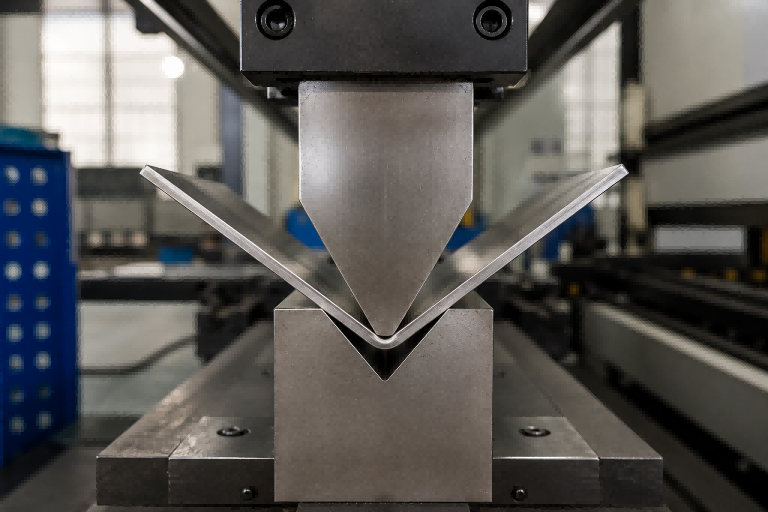 Figura 1. Esempio di piegatura ad aria dell'acciaio inossidabile con allineamento di punzone, lamiera e matrice a V.
Introduzione
La scelta della corretta apertura a V della matrice è una delle decisioni più importanti nella piegatura con pressa piegatrice. Molti operatori iniziano con la regola tradizionale secondo cui l'apertura a V dovrebbe essere circa otto volte lo spessore del materiale. Questa regola è utile, ma è solo un punto di partenza. Nella produzione reale, la corretta apertura della matrice dipende anche dalla qualità del materiale, dal raggio interno richiesto, dal comportamento di ritorno elastico, dalla qualità della superficie, dalla lunghezza della piega, dal tonnellaggio della macchina e dalle condizioni degli utensili.
Una pressa piegatrice può essere moderna, potente e programmata con precisione, ma se l'apertura inferiore dello stampo non è adatta al materiale e alle esigenze del pezzo, il risultato finale potrebbe comunque essere instabile. I problemi più comuni includono un eccessivo ritorno elastico, angoli di piegatura non uniformi, crepe, segni visibili dello stampo, lunghezza piana imprecisa e usura non necessaria degli utensili. Per la produzione di lamiere ad alto volume, questi problemi si trasformano rapidamente in problemi di costi di produzione, oltre che in problemi tecnici.
Questa guida spiega come i professionisti della lavorazione della lamiera selezionano le aperture a V delle matrici nella produzione pratica. È pensata per i produttori di lamiere, gli operatori di presse piegatrici, i progettisti di attrezzature e i responsabili di produzione che desiderano migliorare la precisione della piegatura, ridurre le rilavorazioni e realizzare un processo di piegatura più ripetibile.
L'apertura a V della matrice controlla il modo in cui la lamiera viene supportata durante la piegatura in aria. La lamiera entra in contatto con le due spalle della matrice inferiore mentre il punzone preme il materiale nella scanalatura a V. Poiché il materiale non raggiunge il fondo completo durante la piegatura in aria, la geometria dell'apertura a V ha un effetto diretto sul raggio di curvatura finale e sull'entità del recupero elastico dopo lo scarico.
Un'apertura a V più piccola crea in genere un raggio interno più stretto, ma aumenta anche la forza di piegatura necessaria. Ciò può incrementare il carico sulla pressa piegatrice, aumentare l'usura degli utensili e creare segni di pressione più marcati sulla superficie del materiale. Un'apertura a V più ampia riduce il tonnellaggio richiesto e può migliorare il flusso del materiale, ma in genere crea un raggio interno maggiore e può aumentare il ritorno elastico.
Per questo motivo, la scelta dell'apertura a V non è una semplice abitudine di impostazione. Si tratta di una decisione ingegneristica che influenza l'intero processo di piegatura. La scelta corretta bilancia raggio di curvatura, ritorno elastico, qualità della superficie, capacità della macchina, durata degli utensili e tolleranza finale del pezzo.
La regola più diffusa nella piegatura ad aria compressa con pressa piegatrice è quella dell'8 volte lo spessore del materiale. Secondo questa regola, l'apertura a V è approssimativamente otto volte lo spessore della lamiera. Ad esempio, una lamiera da 2 mm viene spesso piegata con una matrice V16, mentre una lamiera da 3 mm viene spesso piegata con una matrice V24.
Questa regola è diffusa perché offre un equilibrio pratico per molte applicazioni dell'acciaio dolce. In genere garantisce un raggio interno ragionevole, un ritorno elastico accettabile e requisiti di tonnellaggio gestibili. Per componenti di fabbricazione generici come armadi, coperture per macchinari, staffe e involucri industriali, la regola 8× è spesso un punto di partenza affidabile.
Spessore del materiale | Apertura a V comune di avviamento | Uso tipico |
1 mm | V8 | parti in lamiera leggera |
2 mm | V16 | Armadi e coperture generali |
3 mm | V24 | Involucri e pannelli strutturali |
4 mm | V32 | Componenti industriali |
5 mm | V40 | Fabbricazione più pesante |
6 mm | V48 | Lavori di lamiere strutturali |
Tuttavia, la regola dell'8× non deve mai essere considerata una regola assoluta. Non tiene automaticamente conto del ritorno elastico dell'acciaio inossidabile, della tempra dell'alluminio, del tonnellaggio elevato delle lamiere, dei requisiti estetici della superficie o dei requisiti specifici del raggio di curvatura. Gli operatori esperti di presse piegatrici utilizzano la regola dell'8× come primo riferimento, per poi adattarla in base alle effettive condizioni di piegatura.
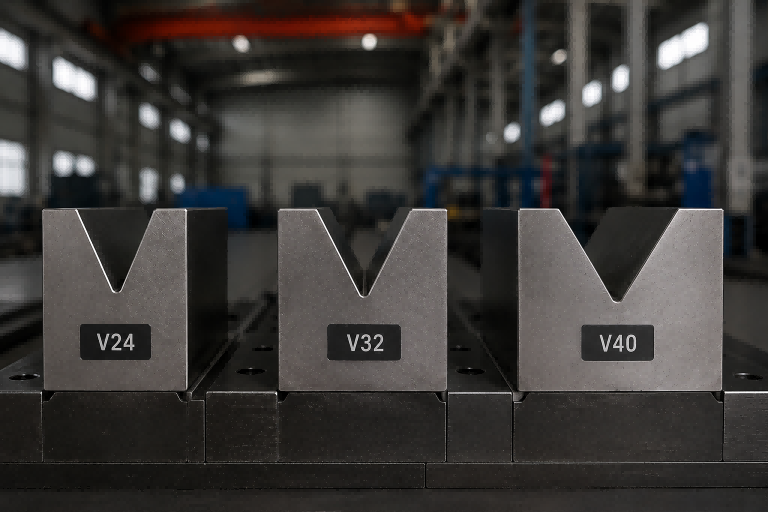 Figura 2. Confronto tra V24, V32 e V40 che mostra le diverse dimensioni dell'apertura inferiore dello stampo.
Un'apertura a V più ampia generalmente produce un raggio di curvatura interno maggiore. Ciò accade perché il materiale è supportato su una distanza maggiore e si modella attorno a una zona di deformazione più ampia. Un'apertura a V più piccola crea un raggio di curvatura più stretto perché il materiale viene forzato in un'area di formatura più ristretta.
Questa relazione è molto importante per il calcolo del modello piatto. Il margine di piegatura, la deduzione di piegatura e il fattore K sono tutti influenzati dal raggio interno effettivo. Se l'officina passa da V24 a V32 senza aggiornare le ipotesi di piegatura, la lunghezza finale del modello piatto e l'accoppiamento di montaggio potrebbero cambiare.
Per componenti semplici, una piccola differenza di raggio potrebbe non essere rilevante. Per involucri di precisione, assemblaggi saldati o componenti che devono combaciare con altre parti, la coerenza del raggio diventa fondamentale. L'apertura a V selezionata deve quindi corrispondere sia allo spessore del materiale che ai requisiti di progettazione.
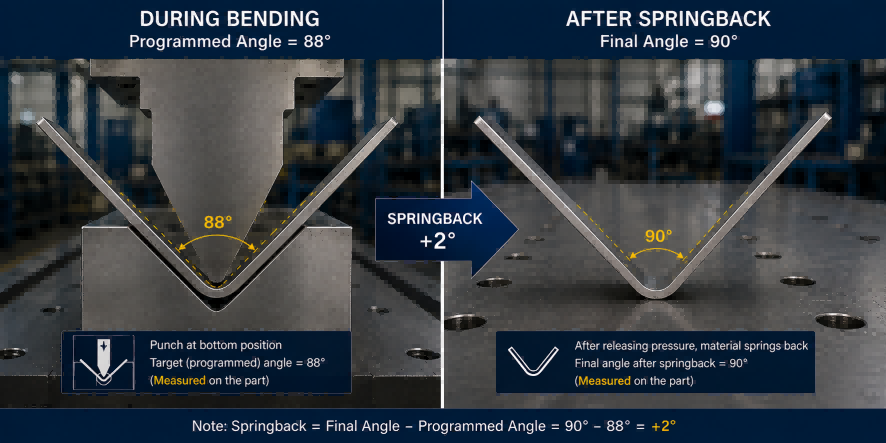 Figura 3. Principio di compensazione del ritorno elastico: angolo di sovraflessione programmato e angolo di rilascio finale.
Il ritorno elastico è il recupero della forma elastica che si verifica dopo la rimozione della forza di flessione. Tutti i materiali in lamiera presentano un certo grado di ritorno elastico, ma l'acciaio inossidabile e i materiali ad alta resistenza mostrano solitamente un ritorno elastico maggiore rispetto all'acciaio dolce.
L'apertura a V influisce sul ritorno elastico perché influenza il raggio di curvatura. Aperture a V più ampie solitamente creano raggi maggiori, e raggi maggiori spesso producono un recupero elastico più elevato. Questo è il motivo per cui un pezzo può sembrare corretto durante la formatura, ma risultare leggermente aperto dopo la retrazione del punzone.
Nella pratica della piegatura dell'acciaio inossidabile, gli operatori spesso compensano sovrapiegando. Ad esempio, se l'angolo finale desiderato è di 90°, l'angolo di piegatura programmato potrebbe essere leggermente inferiore, come 88° o 89°, a seconda del materiale e della configurazione degli utensili. Questa compensazione dovrebbe basarsi su prove di piegatura e sull'esperienza di produzione, piuttosto che su supposizioni.
Più piccola è l'apertura a V, maggiore è la forza di piegatura richiesta. Questo è uno degli aspetti produttivi più importanti. La scelta di una matrice più piccola può contribuire a creare un raggio più stretto, ma può anche spingere la macchina più vicino al suo limite di capacità. Ciò aumenta lo stress su telaio, punzone, matrice e sistema idraulico.
Un'apertura a V più ampia riduce il tonnellaggio richiesto. Ciò può essere utile per curve lunghe, materiali spessi e produzioni ad alto volume, dove la durata degli utensili e il carico della macchina sono importanti. Tuttavia, l'utilizzo di una matrice sovradimensionata può creare un raggio eccessivo o aumentare il ritorno elastico oltre i limiti accettabili.
In un processo di piegatura professionale, è sempre necessario verificare il tonnellaggio prima di selezionare un'apertura a V più piccola. La scelta degli utensili e il calcolo del tonnellaggio devono essere trattati insieme, non separatamente.
Scelta di apertura a V | Domanda di tonnellaggio | Raggio di curvatura | Tendenza Springback | Rischio tipico |
Apertura a V più piccola | Più alto | Più piccolo | Da basso a moderato | Usura dell'utensile, segni, rischio di crepe |
Apertura a V standard | Equilibrato | Equilibrato | Moderare | Solitamente il miglior punto di partenza |
Apertura a V più ampia | Inferiore | Più grande | Più alto | Potrebbe essere necessario un risarcimento maggiore |
L'acciaio dolce è il materiale più prevedibile per la piegatura generale con pressa piegatrice. Per la maggior parte delle applicazioni di piegatura ad aria, la regola dell'8× funziona bene. Un pezzo in acciaio dolce da 3 mm inizia comunemente con V24, mentre un pezzo in acciaio dolce da 4 mm inizia spesso con V32. L'acciaio dolce di solito ha un ritorno elastico moderato, una buona formabilità e un comportamento di piegatura stabile.
L'acciaio inossidabile richiede maggiore attenzione perché in genere presenta una maggiore resistenza allo snervamento e un recupero elastico più robusto. In molti contesti produttivi, l'acciaio inossidabile trae vantaggio da aperture a V di dimensioni comprese tra 8 e 10 volte lo spessore. Ad esempio, un componente in acciaio inossidabile 304 da 3 mm può utilizzare un'apertura a V24 come punto di partenza, ma si possono considerare aperture a V30 o V32 se il pezzo richiede un raggio maggiore, una minore pressione superficiale o una migliore qualità estetica.
Il compromesso è rappresentato dal ritorno elastico. Aperture a V più ampie possono ridurre le tensioni superficiali, ma possono anche aumentare il recupero elastico. Per l'acciaio inossidabile, la decisione finale deve bilanciare raggio, ritorno elastico, tonnellaggio e aspetto estetico.
La piegatura dell'alluminio dipende fortemente dalla lega e dalla tempra. L'alluminio morbido spesso tollera piegature più strette, mentre le leghe più dure richiedono raggi di curvatura maggiori per evitare la formazione di crepe. Un'apertura a V di circa 6-10 volte lo spessore del pezzo è comunemente utilizzata a seconda del componente e delle condizioni del materiale. Per i componenti decorativi in alluminio, anche la protezione della superficie e la lucidatura degli utensili sono importanti.
La piegatura di lamiere spesse richiede in genere aperture a V più ampie, spesso da 10 a 12 volte lo spessore del materiale o anche di più. Il motivo principale è la capacità di carico. Il materiale spesso genera un'elevata forza di formatura e un'apertura a V più ampia contribuisce a ridurre il carico della macchina e a prolungare la durata degli utensili. Per le applicazioni con lamiere spesse, è necessario verificare attentamente la capacità della macchina, la portata degli utensili e la lunghezza di piegatura.
Materiale | Intervallo di apertura V comune | Motivo principale della modifica |
acciaio dolce | Spessore 6×–8× | equilibrio di flessione generale |
acciaio inossidabile | spessore 8×–10× | Ritorno elastico e resistenza alla formazione |
Alluminio | Spessore 6×–10× | Lega, tempra, sensibilità alle cricche |
Piastra pesante | Spessore 10×–12× | Tonnellaggio e durata degli utensili |
Acciaio inossidabile decorativo | Spesso aperture più grandi | Ridurre la marcatura superficiale |
Un'officina di fabbricazione di custodie industriali ha utilizzato V24 per l'acciaio dolce da 3 mm. Il risultato è stato un raggio di curvatura stabile, un tonnellaggio gestibile e curve a 90° costanti dopo la normale compensazione dell'angolo. Questo è un tipico esempio in cui la regola dell'8× funziona bene.
La stessa apertura V24 è stata testata su acciaio inossidabile 304 da 3 mm. La piegatura è risultata accettabile, ma il ritorno elastico è stato superiore a quello dell'acciaio dolce. L'operatore ha regolato l'angolo programmato e verificato il pezzo finale con piegature di prova prima della produzione.
Un pannello decorativo in acciaio inossidabile presentava segni di stampaggio visibili quando piegato con un'apertura più piccola. Un'apertura a V più ampia ha ridotto la pressione locale sulla superficie del materiale e migliorato l'aspetto, sebbene sia stata necessaria una compensazione aggiuntiva dell'effetto di ritorno elastico.
Un alloggiamento in alluminio da 2 mm richiedeva una piegatura netta senza crepe. La scelta degli utensili si è basata sulle caratteristiche della lega e sul raggio di curvatura richiesto, piuttosto che sul solo spessore. L'apertura a V finale ha fornito un raggio stabile e una qualità estetica accettabile.
Un componente in acciaio al carbonio da 12 mm è stato inizialmente testato con un'apertura dello stampo più piccola. Il tonnellaggio risultava troppo elevato per una produzione efficiente. L'aumento dell'apertura a V ha ridotto il carico della macchina e migliorato la durata dell'utensile, mantenendo al contempo una geometria del pezzo accettabile.
· Utilizzare la stessa apertura a V per ogni materiale.
· Seguendo la regola dell'8× senza controllare il raggio o il ritorno elastico.
· Selezionare una matrice più piccola solo per creare una curva più stretta, senza controllare il tonnellaggio.
· Ignorare i requisiti di qualità superficiale per le parti decorative.
· Modificare gli utensili durante la produzione senza aggiornare le ipotesi relative al modello piatto.
· Saltare le prove di piegatura dei campioni prima della produzione in serie.
· Utilizzando stampi usurati e presumendo che il problema sia dovuto solo alla calibrazione della macchina.
· Considerare la selezione della matrice V come un'abitudine di configurazione anziché come una decisione ingegneristica.
D: Quale apertura a V devo utilizzare per l'acciaio dolce da 3 mm?
A: V24 è un punto di partenza comune per la piegatura dell'aria.
D: La regola dell'8× è sempre corretta?
R: No. È un punto di partenza pratico, non una regola universale.
D: L'apertura a V influisce sul ritorno elastico?
A: Sì. Le aperture a V più ampie generalmente creano raggi maggiori e un ritorno elastico più forte.
D: L'apertura a V influisce sul tonnellaggio?
A: Sì. Le aperture a V più piccole richiedono una forza di flessione maggiore.
D: Qual è l'apertura a V più adatta per l'acciaio inossidabile?
A: Molti produttori iniziano con uno spessore da 8 a 10 volte superiore, a seconda del ritorno elastico, del raggio e dei requisiti di superficie.
D: È possibile utilizzare una singola matrice a V per tutti i materiali?
R: No. Occorre tenere conto del tipo di materiale, dello spessore e dei requisiti di produzione.
D: Perché gli angoli di piegatura cambiano tra i diversi lotti di materiale?
A: La resistenza allo snervamento e la durezza del materiale possono variare tra i diversi lotti, influenzando il ritorno elastico.
D: Devo eseguire delle prove di piegatura?
A: Sì. Le prove di piegatura sono essenziali prima della produzione in serie, soprattutto per l'acciaio inossidabile e i componenti di precisione.
Pagina dell'hub di ingegneria | URL |
Calcolatrice per pressa piegatrice | |
Guida alla compensazione Springback | https://calculator.zycomachine.com/engineering-tools/springback-compensation-guide |
Database Springback | https://calculator.zycomachine.com/engineering-tools/springback-database |
Strumento di selezione della matrice V | https://calculator.zycomachine.com/engineering-tools/v-die-selection-tool |
Guida alla piegatura dell'aria | https://calculator.zycomachine.com/engineering-tools/air-bending-guide |
Guida al confronto tra fondo e coniatura | https://calculator.zycomachine.com/engineering-tools/bottoming-vs-coining-guide |
Guida di piegatura in acciaio inossidabile | https://calculator.zycomachine.com/engineering-tools/stainless-steel-bending-guide |
Guida al tonnellaggio della pressa piegatrice | https://calculator.zycomachine.com/engineering-tools/press-brake-tonnage-guide |
ZYCO fornisce presse piegatrici, soluzioni per la lavorazione della lamiera e risorse ingegneristiche per i produttori di tutto il mondo. Lo ZYCO Engineering Hub è progettato per aiutare i produttori a comprendere i principi pratici della piegatura, migliorare la precisione della produzione e prendere decisioni migliori in materia di utensili, basandosi su esperienze di produzione reali.
L'apertura corretta della matrice a V non è determinata unicamente dallo spessore del materiale. Lo spessore fornisce il punto di partenza, ma il comportamento del materiale, il ritorno elastico, il raggio di curvatura, il tonnellaggio, la qualità della superficie e gli obiettivi di produzione determinano la scelta finale ottimale. I produttori che comprendono queste relazioni possono ridurre le rilavorazioni, migliorare la ripetibilità, proteggere gli utensili e ottenere risultati di piegatura più stabili.
La tradizionale regola dell'8× rimane valida, ma i migliori risultati di piegatura si ottengono combinando le conoscenze ingegneristiche con test di produzione reali.

Lascia il tuo indirizzo e -mail e i requisiti, il nostro team di vendita professionale svilupperà la soluzione più adatta per te.


Copyright
© 2026 Nanjing Zyco CNC Machinery Co., Ltd. Tutti i diritti riservati
.
 RETE SUPPORTATA
 italiano
 English
 français
 Deutsch
 русский
 português
 español
 한국의
한국의 Türkçe
 العربية